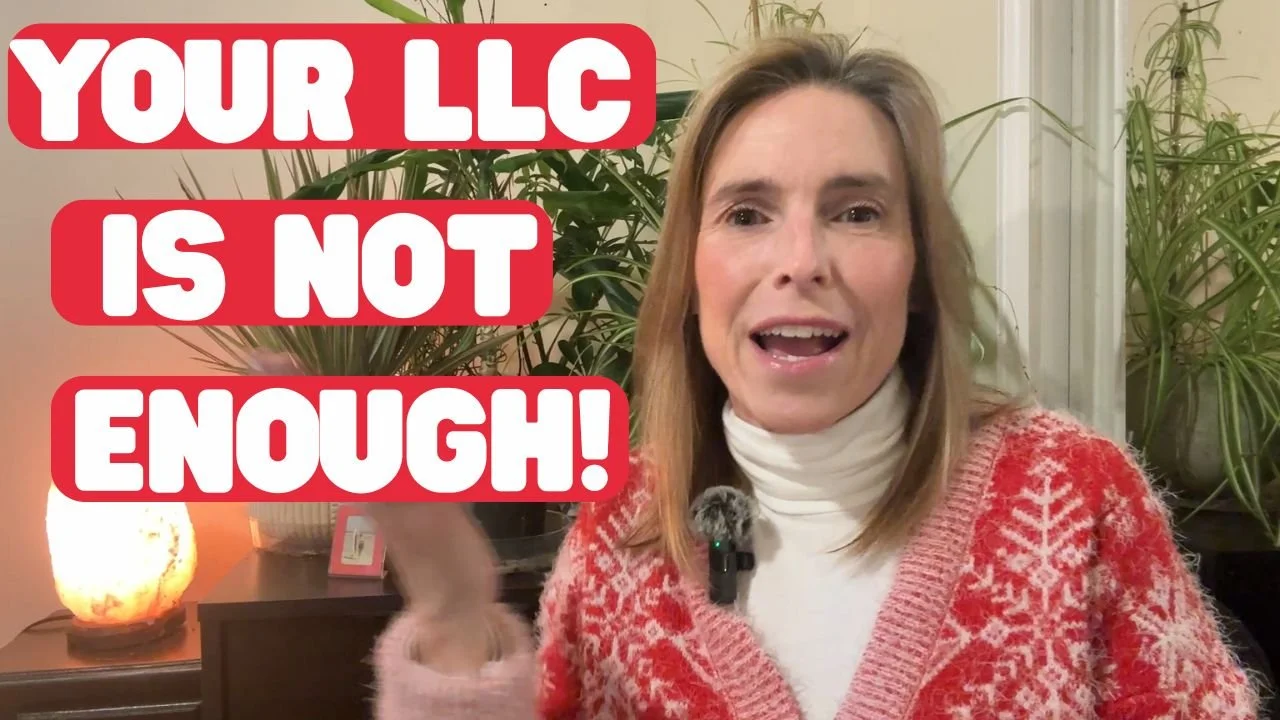
Buying a Detroit Rental? Don’t Screw This Up | Certificate of Compliance Explained

Buying a Detroit Rental Property?

The Certificate of Compliance Mistake That Can Cost You Thousands

If you are buying a rental property in Detroit, there is one due-diligence question you must ask before you close:

Does the house have a valid Certificate of Compliance — and when does it expire?

I’m Monique Burns. My husband Pat and I have been buying Detroit houses since 2007. We own buy-and-hold rentals, we’ve operated property management, and today we renovate distressed Detroit homes and sell them to investors from all over the country and the world.

This one issue trips up more new (and experienced) investors than almost anything else.

What Is a Certificate of Compliance in Detroit?

A Certificate of Compliance (C of C) is the City of Detroit’s confirmation that a rental property meets basic safety standards and is legally approved to be rented.

Key facts investors need to know:

  • The certificate is valid for 3 years

  • If you renew it before it expires, you may receive a 5-year extension

  • To get one, you must:

    • Register the property

    • Pass the 15-Point Rental Inspection

You can review the official checklist here:
👉 Detroit Residential Rental 15-Point Inspection Checklist
https://detroitmi.gov/document/residential-rental-15-point-inspection-checklist

Does the Certificate of Compliance Go With the House or the Owner?

This is where people get confused — and where deals go sideways.

The correct answer is: both.

  • The certificate stays with the house

  • BUT the new owner must register the property with the City

If you buy a house that already has a valid Certificate of Compliance, you do not automatically need a new inspection — as long as you properly register yourself as the new owner.

That registration step is critical. I jokingly call it “turning yourself in,” but skipping it is what gets investors into trouble.

How to Register Your Detroit Rental Property

Detroit uses an online system called ELaps (Accela).

You can register here:
👉 Register Your Rental Property on ELaps
https://aca-prod.accela.com/DETROIT/Default.aspx

This registration itself is free, but failing to do it can trigger tickets.

You can also review Detroit’s official landlord requirements here:
👉 BSEED – Landlord Rental Requirements
https://detroitmi.gov/departments/buildings-safety-engineering-and-environmental-department-bseed/bseed-divisions/property-maintenance/tenant-rental-property/landlord-rental

What If the House Does NOT Have a Certificate of Compliance?

First — don’t panic.

Most Detroit rental houses do not currently have a Certificate of Compliance. That does not automatically mean it’s a bad property.

For years, the City admitted that only about 5–10% of landlords were compliant. To increase participation, Detroit simplified the process by introducing the 15-point inspection and eliminating the old, expensive lead inspection requirement.

Right now, the inspection process is as easy as it’s ever been — and that may not last forever.

Why the Certificate of Compliance Is So Important

There are two big reasons this matters.

1. Blight Tickets and Fines

If the City identifies you as a landlord and your property isn’t registered or compliant, tickets often follow — sometimes fast and aggressively.

If you want to understand how this system works, I have several tutorials that walk through it step by step:

2. Evictions Can Be Blocked Without It

Some Detroit judges will not allow an eviction if the property does not have a valid Certificate of Compliance.

Judges do not all agree on this — which makes it risky. If you get stuck waiting for an inspection after an eviction starts, you may find that the tenant is suddenly very uncooperative about letting inspectors inside.

That delay can cost you months.

How to Check If a Property Has a Certificate of Compliance

Detroit provides an online compliance lookup tool, but it is not always current.

👉 Rental Compliance Lookup Map
https://detroitmi.gov/departments/buildings-safety-engineering-and-environmental-department-bseed/bseed-divisions/property-maintenance/tenant-rental-property/rental-compliance-map

My recommendation:
Always ask the seller for a copy of the actual certificate, which shows the expiration date clearly.

That date matters — because if you renew before it expires, you may avoid another inspection for years.

Why This Can Increase a Property’s Value

I’ve sold Detroit rentals where the Certificate of Compliance was a deciding factor for the buyer.

In one investor walkthrough, the buyer moved forward specifically because the property was already compliant — saving inspection time, fees, and risk.

That walkthrough is featured in my video and is a great example of how proper compliance can make a deal smoother and more valuable.

Thinking About Buying a Detroit Rental?

If you want to talk through:

  • Due diligence

  • Certificates of Compliance

  • Blight risks

  • Or buying a Detroit rental the right way

You can schedule a call with me here:
👉 Schedule a Call
https://calendly.com/section8rentalmastery/investing

Or email me directly:
📧 Monique@greatdaypm.com

More Detroit Due Diligence Resources

Final Thought

The Certificate of Compliance is not just a form — it affects tickets, evictions, timelines, and profitability.

Ask about it before you buy, not after.

Tutorial: 3 Tax Uncapping Methods

Three Ways Detroit Investors Try to Estimate Uncapped Property Taxes

(And Why It’s Really a Personality Test)

If you’ve ever tried to figure out what your Detroit property taxes will be after purchase, you already know this truth:

Property taxes in Detroit are never clear.

They weren’t clear when my husband and I bought our first houses back in 2007, and they’re still not clear today. That’s why investors keep coming up with methods — not answers — to estimate what their uncapped taxes might be before they buy.

In this article, I’m going to walk you through three real-world methods investors actually use to estimate future property taxes in Detroit — and why these methods say as much about your risk tolerance as they do about math.

Important disclaimer:
I’m not a lawyer. I’m not an assessor. These are not official rules — they’re approaches investors are using in the real world to get closer to the answer, not pretend certainty exists.

What does “uncapping” mean in Michigan?

In Michigan, property taxes are capped for longtime owners. Your taxable value can only increase by the rate of inflation or 5% — whichever is lower.

But when a property sells, that cap comes off.

That’s called uncapping, and it means:

  • The taxable value can reset closer to current market value

  • Taxes can jump dramatically the year after purchase

  • A deal that looked great on paper can suddenly stop cash flowing

This is why planning for uncapped taxes before you buy is critical.

Step one: find the assessed value (SEV)

Before you can estimate anything, you need the State Equalized Value (SEV).

In Detroit, you can find this by:

Once you have an SEV, many investors plug it into the Michigan Property Tax Estimator, which calculates taxes using current millage rates .

But here’s the catch…

The assessor can change everything

Between the day you buy a property and the day you receive your tax bill, assessors may:

  • Reassess the neighborhood

  • Decide values should be closer to half the purchase price

  • Do this without warning

Detroit often reassesses neighborhoods every 3–5 years, which means today’s SEV may not protect you tomorrow.

That’s where the three methods come in.

Method #1: Jay’s method (The conservative investor)

This is the safest and most conservative approach.

Jay’s method:

  1. Take the purchase price

  2. Divide it in half (assumed SEV)

  3. Plug that number into the Michigan Property Tax Estimator

That’s it.

This method assumes:

  • Worst-case reassessment

  • No mercy from the assessor

  • No delay in valuation changes

Jay’s method protects people who can’t afford surprises. As Jay puts it:

“A thousand dollars here or there can break some people.”

Method #2: Tommy’s method (The calculated risk-taker)

Tommy is willing to take more risk — and he often gets more deals.

His method:

  • Look at similar homes that sold 12–14 months ago

  • Focus only on uncapped sales

  • Use MLS data to see what SEVs those homes were actually assigned

  • Average them

  • Plug that average into the Property Tax Estimator

This method assumes:

  • Assessors value by neighborhood, not individual houses

  • Renovation quality doesn’t always matter as much as location

  • Patterns emerge over time

The downside?
It takes time, access to data, and experience — and results can still feel inconsistent.

Method #3: The California investors’ formula (Volume investors)

My California clients buy a lot of Detroit houses — sometimes dozens at a time. Because they operate at volume, they accept more risk on individual properties.

Their formula looks like this:

  1. Purchase price ÷ 2

  2. × Detroit millage rate (about 86.5)

  3. ÷ 1,000

  4. × 0.8 buffer

That 0.8 factor reduces the final tax estimate by 20%.

Why?
Because they believe assessors usually do not immediately reassess at full half-of-purchase-price levels — and across many properties, the savings outweigh the occasional surprise.

This method is:

  • Less conservative than Jay

  • More optimistic

  • Based on long-term averages, not single properties

So… which method is “right”?

That’s the frustrating — and honest — answer:

None of them are guaranteed.

  • Jay’s method protects you from bad surprises

  • Tommy’s method can uncover overlooked opportunities

  • The California method works best for investors doing volume

In some under-assessed neighborhoods, all three methods wildly overestimate taxes. In “hot-ish” neighborhoods, Jay’s number may eventually become reality.

Detroit investing often feels like watching a Netflix series that ends without resolution — and that’s just the truth.

Final thoughts

Despite the uncertainty, Detroit remains a compelling place to invest:

  • Homes under $100,000

  • Strong rental demand

  • Rents that still work even with higher taxes (if planned correctly)

I work with both buyers and sellers in Detroit, and I help investors think through these exact scenarios every day. If you want help analyzing a specific property — or figuring out which “personality” fits you — feel free to reach out. Monique@greatdaypm.com

And if you want more Detroit-specific investing insights, I publish new videos every Saturday.

Thanks for reading — and welcome to Detroit investing.

This isn’t political — it’s math. Curious what other landlords are seeing in 2026.👇

This isn’t political — it’s math. Curious what other landlords are seeing in 2026.👇

Section 8 housing in 2026 didn’t collapse — it quietly changed. After HUD funding cuts to Michigan, landlords are seeing fewer new vouchers, tighter rent limits, reduced MSHDA staffing, and higher tenant portions. In Detroit, realistic Section 8 rents for three-bedroom homes are now closer to $1,200–$1,250, making cash-paying tenants increasingly competitive. This update breaks down what actually changed, what didn’t, and what landlords should expect moving forward.

Read More

LLCs Won’t Save You: How Real Estate Investors Actually Avoid Lawsuits

LLCs Won’t Save You: How Real Estate Investors Actually Avoid Lawsuits

Most real estate investors think stacking LLCs is the main way to protect themselves from lawsuits—but that’s not how it works in real life. In this video, I explain why LLCs are not your first (or only) line of defense and what actually helps investors avoid getting sued in the first place. Yes, insurance matters—but there are several practical, often overlooked steps you can take long before a lawyer ever gets involved. If you own rental property or are thinking about investing, this video will help you protect your money by focusing on smart operations, good decision-making, and risk prevention—not just paperwork.

Read More

The Ultimate Section 8 Buyer Checklist: Avoid These Expensive Mistakes


🏠 Due Diligence Checklist for Buying Section 8 Rentals: What Every Investor Must Ask For

Buying a rental property with a Section 8 tenant already in place can be a smart investment strategy — but only if you ask for the right documents before you close. Whether you’re purchasing Detroit rentals or expanding your investment portfolio, doing proper due diligence protects you from hidden debts, compliance issues, and delays in receiving rent.

Below is a complete guide to what you should include in your purchase agreement, what to request during due diligence, and the Section 8–specific documents every investor needs.

🔹 3 Things You MUST Put in Your Purchase Agreement

1. Transfer of Security Deposits

Security deposits legally transfer to the new owner at closing. Make sure your purchase agreement clearly states that the seller must transfer all deposits to you and disclose the amounts accurately.

2. Escrow the Section 8 Portion of Rent

Section 8 payments can take time to switch to a new owner — sometimes up to a month.
For Detroit Housing Commission tenants, delays can run even longer.
Request that the seller escrow:

  • 1 month of rent for most Section 8 tenants

  • 3 months of rent if the tenant is through the Detroit Housing Commission

This ensures you’re financially covered until payments begin in your name.

3. Seller Must Pay All Blight Tickets

Whether blight tickets follow the property or the owner is debatable. One new person in charge, and it can follow the property and you’re stuck with the prior owner’s blight tickets.
If you don’t safeguard this in the contract, you could inherit hundreds or even thousands of dollars in fines. Require that all blight tickets are paid in full before closing.

Coming soon: a full guide on how to look up Detroit blight tickets and Certificates of Compliance.

🔹 8 Essential Due Diligence Items Every Investor Needs

Before you commit to buying a tenant-occupied rental, especially a Section 8 property, you must request these items:

1. The Current Lease

You must honor the active lease, so review all terms carefully.

2. Tenant Rent Payment History (Ledgers)

Request at least one year of ledgers.
Some investors also ask for bank deposit proof to verify rent was actually collected.

3. Tenant Contact Information

Phone number and email ensure smooth communication after closing.

4. Proof of Renter’s Insurance

Many landlords require this, and it reduces liability for both parties.

5. Notices Served to the Tenant

Late notices, lease violations, renewals, or communication related to rent issues — these all matter.

6. Maintenance Records

This tells you what repairs have been done and what issues may be coming.

7. Seller’s DWSD (Detroit Water Department) Account Number

In Detroit, unpaid water bills attach to the property, not the owner.
If you don’t verify this, you could unknowingly inherit the seller’s overdue balance. Tenant’s bills follow the tenant.

8. Proof of Certificate of Compliance

In Detroit, landlords cannot legally collect rent without a Certificate of Compliance. Good luck getting a tenant evicted if your house isn’t city certified.
This certificate stays with the house, not the owner.

🔹 Bonus Due Diligence Items

These aren’t required, but smart investors always ask for them:

Bonus 1: Move-In Photos and Move-In Checklist

These help protect you from disputes over condition when the tenant eventually moves out.

Bonus 2: Listing Photos

These give you a snapshot of the property condition before the tenant moved in. They expedite listing the house for rent again after the tenant moves out as you wait for your crew to get it back in shape.

🔹 4 Section 8–Specific Items You MUST Request

When buying a property with a Section 8 tenant, additional documentation is required to ensure payments continue smoothly after closing.

1. Name and Contact Information of the Housing Commission

Different commissions — Detroit, Southfield, Inkster, Plymouth, RPI — all operate differently.
You’ll need their contact info to complete the ownership transfer.

2. HAP Contract and Any Adjustment Notifications

The Housing Assistance Payment (HAP) contract outlines:

  • How much the tenant pays

  • How much Section 8 pays

  • Whether recent rent adjustments have been made

This is essential for analyzing cash flow.

3. Latest Passed Section 8 Inspection Report

This report is needed to:

  • Obtain a Detroit Certificate of Compliance

  • Understand when the next inspection is due

4. Signed Section 8 Transfer of Ownership Forms

Without these documents, Section 8 cannot legally transfer payments to you — meaning you will not get paid.

🔹 Bonus Item for Section 8 Rentals

Bonus: Tenant’s Voucher Bedroom Size

Voucher size determines rent limits.
Ask the seller if they can share documentation confirming how many bedrooms the tenant is approved for.

🔚 Final Thoughts

Buying a Section 8 rental can be one of the most reliable and profitable investment strategies — if you do proper due diligence. These documents protect you from unexpected expenses, compliance failures, and delays in receiving rent.

If you're serious about investing in Detroit rentals or Section 8 properties, make sure to subscribe — I’m creating more guides on:

  • How to look up blight tickets

  • How to check the seller’s water bill

  • How to verify Certificates of Compliance

  • How to ensure tenants don’t move out after you buy


What REALLY happens when a Section 8 Tenant says they're moving out...


  1. A landlord wants to list a property for sale immediately after her Section 8 tenant moves out, but the creator explains that Section 8 move-outs rarely happen on a predictable schedule.

  2. There’s a big difference between what’s supposed to happen (formal 30-day notice, clear procedure) and what actually happens with Section 8 tenants.

  3. The “intent to vacate” form asks whether the tenant is current on rent, but in practice landlords often don’t know what the tenant will owe until they actually move out.

  4. Landlords may state a tenant owes money to prevent Section 8 from issuing a move packet—but Section 8 often gives move packets anyway, regardless of what the landlord reports.

  5. Even during the first year of a lease, tenants are often allowed to move, despite rules suggesting they shouldn’t be.

  6. Landlords expect to receive reference calls when a tenant applies elsewhere, but in reality other landlords rarely call for references, leaving the current landlord uninformed.

  7. The tenant’s new landlord must pass a Section 8 inspection, but inspection timelines, repairs, and re-inspections are unpredictable, making move-out timing unknown.

  8. Tenants often don’t inform landlords of their exact move-out date, which can lead to property risks—especially in Detroit, where vacant homes may have furnaces stolen.

  9. During vague or extended move-out periods (sometimes months), landlords must constantly notify Section 8 each month that the tenant still occupies the property to ensure they continue receiving payment.

  10. After tenants finally leave, landlords should expect cleanup and a “lived-in” mess, even from otherwise good tenants; overall, Section 8 move-outs require patience and flexibility.


How Foreign Investors Can Buy Detroit Real Estate the Smart Way


Discover how foreign nationals can invest in Detroit real estate safely and profitably. Learn how to set up your U.S. LLC, secure DSCR loans, and navigate FIRPTA taxes — plus meet the trusted Detroit team that helps global investors build cash-flowing portfolios.

Why International Investors Are Turning to Detroit

Detroit is one of the few U.S. cities where real estate investors can still find affordable properties with strong rental returns. While many coastal markets rely on appreciation alone, Detroit continues to deliver real ROI through rental income.

Most Detroit investment properties still sell for under $100,000, yet rents remain strong. This balance allows foreign investors to build income-generating portfolios — even from abroad — without the inflated prices seen in markets like Miami, Los Angeles, or New York.

Detroit’s resurgence is powered by new development, expanding downtown employers, and a growing demand for quality rental housing. For investors, it’s a rare opportunity to get in early on a city that’s rebuilding itself.

Step 1: Set Up Your U.S. Entity (LLC)

Before purchasing property, foreign investors must create a legal business structure in the U.S. — typically a Limited Liability Company (LLC).
Setting up an LLC in Michigan involves six simple steps:

  1. Choose a name for your LLC

  2. Get a Michigan-registered agent

  3. File your Articles of Organization

  4. Draft an Operating Agreement

  5. Apply for an Employer Identification Number (EIN)

  6. Open a U.S. business bank account

You can complete this process yourself or hire a professional service.
For example:

  • Notary setup service: around $300 (basic setup, no legal guidance).

  • Full setup service with banking connection: around $495, but if you deposit $10,000, you receive a $250 rebate — effectively costing $245.

  • Use a lawyer. Richard Sharpe

🖇️ Recommended resource: Michigan Registered Agent – Start an LLC

Step 2: Secure Financing with DSCR Loans

Foreign investors can qualify for DSCR (Debt Service Coverage Ratio) loans, which are based on property income rather than the borrower’s personal income or U.S. credit history.

Here’s what to know:

  • Most lenders won’t finance homes under $100,000.

  • I can connect you to the lender who will do financing under $100,000.

  • The property must appraise for at least $80,000.

  • If purchasing multiple homes, each should appraise around $50,000.

  • Interest rates are typically close to prime, with bridge loans available for fix-and-flip projects.

Bridge loans carry slightly higher rates but fewer fees — and can later convert into DSCR loans once the property stabilizes.

This structure allows international investors to build or refinance portfolios with predictable terms, even if they don’t have U.S.-based income.

Step 3: Build a Reliable Local Team

Investing remotely is only successful when you have trusted professionals on the ground.
Here’s the team I recommend (and personally work with):

  • Broker (Me): Sourcing properties and guiding negotiations

  • Pat: Finds the best investment opportunities

  • Andrew: Top-tier property manager

  • Erika: Handles title work and closings

  • Christine: Lender specializing in DSCR and bridge loans

  • Rick: Real estate attorney familiar with international transactions

Working with an experienced Detroit team protects your investment and ensures compliance with local and federal requirements.

Step 4: Understand FIRPTA — The Foreign Investor Tax Rule

When foreign nationals sell U.S. real estate, the Foreign Investment in Real Property Tax Act (FIRPTA) requires 15% of the sale price to be withheld and sent to the IRS.

The process differs depending on how your ownership is structured — whether your LLC is single-member, has a U.S. partner, or is held in a trust.

While FIRPTA can sound intimidating, it’s simply a tax compliance step that can be managed with the right guidance. Consult a tax advisor before selling any property — it can save you both time and money.

Step 5: Why Detroit Is Ideal for Global Investors

  • Low entry price point: Properties under $100K still exist.

  • Strong rental demand: Steady cash flow potential.

  • Rebuilding economy: Long-term appreciation prospects.

  • Investor-friendly laws: Michigan supports business ownership by non-residents.

  • Available financing: DSCR loans make it possible without U.S. income.

Whether you’re looking to diversify your portfolio or enter the U.S. market for the first time, Detroit offers one of the best opportunities for foreign investors seeking cash flow and equity growth.

Final Thoughts

Detroit’s market is at the sweet spot — affordable enough for new investors, but growing fast enough to reward early entrants. With the right structure, financing, and team, international investors can confidently own Detroit real estate from anywhere in the world.

If you’d like to learn more or get connected with my trusted local team, reach out through my email, Monique@greatdaypm.com, or watch my latest YouTube video where I walk you through every step visually.

11 Money-Saving Mechanical Secrets for Real Estate Investors

Practical HVAC & Mechanical Tips That Save Thousands on Rental Properties

If you invest in rental properties—especially in Detroit—your mechanical systems can make or break your cash flow. Furnaces, air conditioners, ductwork, drains, and boilers are some of the most expensive components in any home. Replacing or repairing them without the right knowledge can easily wipe out months of rental income.

At our REIA of Oakland meetup, we hosted an event called table topics, where different experts shared insider tips with new and experienced investors. I had the chance to film a session with Austin Matero of AJM Heating & Cooling, one of the most experienced and investor-friendly HVAC professionals in the area. Austin is licensed in heating and cooling, pest control, and residential building, and he has years of hands-on experience helping investors stretch their rehab budgets further.

These are the kinds of mechanical tips most investors don’t even know to ask, and the kind of knowledge that can save you thousands while improving your long-term rental ROI.

Here are 11 money-saving mechanical secrets every real estate investor should know.

1. Call Smaller Independent Contractors

(2:30)
Big HVAC companies come with big overhead—and big price tags. Independent contractors often offer fairer pricing, faster scheduling, and more personalized service. For investors working on multiple properties, these relationships matter.

2. Change Your Furnace Filter Regularly

(3:58)
A clogged furnace filter is one of the main causes of furnace failure.

  • 4-inch filter: change once per year

  • 1-inch filter: change every 3 months

This small maintenance habit protects your blower motor and heat exchanger and extends equipment life.

3. Hose Down Your A/C Once a Year

(4:04)
Most investors don’t know this incredibly simple, free maintenance trick. Spraying down the A/C condenser removes dust, pollen, and debris, helping the system run more efficiently and preventing early failure.

4. Don’t Waste Money on HVAC Tune-Ups

(4:10)
Austin is very direct about this: tune-ups are mostly a scam.
Save your money. If it breaks, call a reputable HVAC tech. Otherwise, don’t let companies upsell you unnecessary services.

5. Use Base Equipment for Rentals (80% Efficiency Furnace)

(4:45)
High-efficiency furnaces are expensive, require special venting, and cost more to repair. For most rental properties, a basic 80% furnace is cheaper to install, cheaper to maintain, and perfectly adequate.

6. Stick With Goodman for Cheaper Parts & Repairs

(6:25)
Goodman HVAC systems are affordable, reliable, and—most importantly—inexpensive to repair.
Austin recommends avoiding Lennox and Carrier, which have pricier proprietary parts and higher long-term maintenance costs.

7. Avoid Heat Pumps in Michigan

(7:38)
Heat pumps simply aren’t efficient in colder climates like Michigan. They run constantly in the winter, driving up utility bills and frustrating tenants. Furnaces remain the best heating option for this region.

8. Add A/C, Dishwashers & Disposals to Increase Rent

(9:46)
Want higher rents and better tenant retention? Add:

  • central A/C

  • dishwashers

  • garbage disposals

These amenities significantly boost tenant satisfaction and make your rental more competitive in the Detroit market.

9. Avoid Boilers—Or Budget for Adding Ductwork

(11:31)
Boilers can be extremely expensive to repair and replace. If you’re buying a property with a boiler, factor in the cost of transitioning to forced air and the ductwork you’ll need to add.

10. Avoid Under-Slab Ductwork

(14:41)
Under-slab ductwork is prone to moisture, corrosion, and collapse. Repairing it means breaking through concrete—an expensive nightmare. If a property has this setup, be cautious and plan ahead.

11. Use Regulated Herbicide to Remove Roots in Sewer Lines

(16:09)
Tree roots are one of the biggest causes of sewer backups. Using a regulated herbicide foam can keep lines clear and save thousands in emergency sewer repairs.

Final Thoughts: Mechanical Knowledge = Higher ROI

Mechanical systems are one of the highest-cost areas in real estate investing—but they don’t have to drain your profits. With the right knowledge and the right experts, you can protect your rentals, reduce maintenance costs, and boost your cash flow.

Special thanks to Austin Matero of AJM Heating & Cooling for sharing these powerful, practical tips that every investor needs to hear.

If you want to learn more, watch the full video here:
“11 Money-Saving Mechanical Secrets for Real Estate Investors”

Detroit Property Taxes: The Truth About Uncapping and What You’ll Really Pay

Detroit Property Taxes: The Truth About Uncapping and What You’ll Really Pay

🔹 What “uncapping” really means under Michigan’s Proposal A
🔹 How to find your SEV (State Equalized Value)
🔹 Using Detroit’s Parcel Viewer and the Michigan Property Tax Estimator
🔹 Why Detroit assessors sometimes base taxes on what you paid
🔹 How to check comparable sales to predict your uncapped taxes

Whether you’re a first-time buyer or a real estate investor flipping Detroit rentals, this video will help you crack the code on how your new property taxes are calculated.

Read More

$10,000 Driveway FAIL? Why You MUST Appeal Your Inspection

$10,000 Driveway FAIL? Why You MUST Appeal Your Inspection

Is your city inspector following the rules?
If you don’t agree with what they cite, did you know you can appeal it — and you’ll probably win?

Today I’m breaking down some real-life examples: a driveway, a roof, and a garage. These stories show why landlords and property owners must know their rights when it comes to inspections.

🚧 The Driveway Dilemma

Let’s start with the driveway.

I was showing a house to a potential buyer and reassured them: “Don’t worry. If you don’t have a Section 8 inspector and you only rent to cash tenants, you can just leave the driveway as is.”

But then I started wondering… was I right?

So I called a city inspector I know (sorry, no names here!) and here’s what I learned:

  • Driveways are NOT on the city’s official 15-point inspection list.

  • However, if a driveway has a trip hazard of 4 inches or more, some inspectors will call it out anyway.

  • At two of the three inspection companies, it’s almost guaranteed to fail.

  • And here’s the kicker: inspectors sometimes hand out business cards for cement contractors right on the spot.

If your inspector is “old school” (usually over 40), they may still be clinging to the old 1,500-point inspection list. And that’s where a $10,000 driveway replacement suddenly becomes your problem — even though it’s not on the official list.

🌳 Trees Over the Roof

Now let’s talk about overgrowth.

On the 15-point list, item #14 states:

“Floor, walls, and ceilings are in sanitary condition, with no evidence of fungus-like substance or sewage.”

But what if your roof has some tree branches hanging over it?

The inspector might argue that overgrowth causes mold in the basement or creates damage. But here’s the truth: unless there’s actual evidence of damage, the branches themselves shouldn’t automatically trigger a fail.

🏚️ The Garage Issue

Next up — garages.

On the 15-point list, item #1 says:

“No major structural defects.”

Simple enough, right? Except the city often pushes inspectors to say “replace the garage” because it makes the city look better.

But replacing isn’t your only option. Depending on the situation, you can repair or even remove the garage. That’s still compliance.

✍️ Why You MUST Appeal

Here’s the most important part:

  • You can’t request a different inspector anymore.

  • But you can appeal to the city when you’re cited for something not on the 15-point list or for something that isn’t actually causing damage.

Frame your case clearly:

  • “The driveway is still operable and safe.”

  • “The branches over the roof are not causing mold or structural problems.”

  • “The garage can be repaired instead of replaced.”

Most of the time, the city would rather keep you satisfied than argue. And more often than not, you’ll win.

🚨 The Bigger Picture

Why is this so important?

Because some inspectors are stuck in the past, clinging to their 1,500-point checklist and doling out business cards to contractors. It’s a system that feels… well, questionable.

By appealing, you don’t just protect your own wallet — you also help push for newer, fairer inspections run by people who actually follow the rules.

Final Thoughts

If you’re a landlord or property owner, don’t just accept every violation at face value. Know the 15-point list. Question what doesn’t belong. And if you’re in the right, appeal, appeal, appeal.

A $10,000 driveway FAIL might sound like the end of the world — but if it’s not on the list, chances are you can beat it.

👉 What do you think? Have you ever fought an inspection and won? Drop your story in the comments — I’d love to hear it.

And if you want to see the actual driveways, roofs, and garages I talk about, check out my YouTube video here: $10,000 Driveway FAIL? Why You MUST Appeal Your Inspection

Emotional Support Animals Tips and Tricks for Landlords


Emotional Support Animals (ESA) and Housing: What Landlords & Tenants Need to Know

Navigating emotional support animals (ESAs) in rental housing can be confusing for both landlords and tenants. Are ESAs the same as pets? Can landlords charge fees? What documentation is required? Let’s break down the rules under the Fair Housing Act (FHA) and related HUD/DOJ guidance.

🐾 What Is an ESA?

An Emotional Support Animal is an animal that provides comfort or emotional support to a person with a disability. Unlike pets, ESAs are considered assistance animals under the FHA. That means they are not subject to pet fees, deposits, or breed/size restrictions (HUD Guidance, 2020).

🚫 Can a Landlord Charge Fees?

No. Landlords cannot charge pet rent, pet deposits, or pet fees for ESAs. However, tenants remain responsible for:

  • Any damage caused by the ESA

  • Following general lease rules (cleanliness, noise, etc.)
    (HUD Guidance, 2020)

📑 What Documentation Can Be Requested?

If the disability or need for the ESA is not obvious, housing providers may request reliable documentation from a licensed healthcare provider. Acceptable documentation includes confirmation that:

  1. The individual has a disability, and

  2. The animal helps alleviate one or more symptoms of that disability.

(Joint HUD/DOJ Statement on Reasonable Accommodations)

⚠️ Important: Online ESA “certificates” or registrations are not considered reliable proof under HUD guidance.

🦮 ESA vs. Service Animal vs. Therapy Dog

  • Service Animals: Trained dogs (and in rare cases, miniature horses) that perform specific tasks for a person with a disability. Protected under both FHA and ADA (ADA.gov Service Animal Guidance).

  • Emotional Support Animals (ESAs): Provide comfort through their presence. Protected under FHA, but not ADA.

  • Therapy Dogs: Visit hospitals, schools, etc. for general comfort. Not covered by FHA or ADA — landlords may treat them as regular pets.

⚖️ Reasonable Accommodations

Under the FHA, landlords must provide “reasonable accommodations” for ESAs unless doing so would:

  • Create an undue financial or administrative burden, or

  • Fundamentally alter the nature of the housing.

(Joint HUD/DOJ Statement on Reasonable Accommodations)

Examples of accommodations:

  • Waiving a “no pets” policy

  • Allowing a larger dog despite breed/weight restrictions

🌎 State-Specific ESA Laws

While federal law sets the baseline, many states add extra protections or penalties for misrepresenting pets as ESAs. For a state-by-state overview, see the Animal Legal & Historical Center’s table of state assistance animal laws.

📝 Key Takeaways for Landlords

  • ESAs are not pets → no pet rent, fees, or deposits allowed

  • You may request reliable documentation if the disability is not obvious

  • Tenants are still responsible for any damage

  • Distinguish carefully between ESA, service animal, and therapy dog

  • Check your state-specific laws in addition to federal FHA rules

Dogs and Insurance

Here is a little-known bulletin that Michigan issued a few years back regarding insurance companies charging more for certain breeds. Here's the long and short of it:  DIFS has issued abBulletin explaining that Michigan’s “Essential Insurance Act does not allow companies to deny, cancel, or non-renew coverage based on the insured’s possession of a particular animal.” According to the bulletin, Michigan law does allow an insurance company to decide not to renew a policy based on the insured’s claim experience with an animal during the three-year period before the renewal. DIFS also interpreted Michigan law as allowing “the imposition of surcharges based on dog breeds if the surcharge is actuarially supported” but stated that the federal Fair Housing Act (FHA) “prohibits the imposition of a service charge for assistance animals.” The FHA defintes assistance animals to include service and emotional support animals.

chrome-extension://efaidnbmnnnibpcajpcglclefindmkaj/https://www.michigan.gov/-/media/Project/Websites/difs/Bulletins/2019/Bulletin_2019-20-INS.pdf?rev=8048749b85484f228b06f9dab0596ad1

✅ By following these guidelines, landlords can protect themselves from legal risk while providing fair housing access to tenants who rely on emotional support animals.


Behind the Scenes: 7 New Legal Realities in Detroit Eviction Court

“Behind the Scenes: 7 New Legal Realities in Detroit Eviction Court” by Monique Burns:

  1. Eviction timelines in Detroit: Attorney Gary Sagatti explained that the eviction process generally includes a 30-day or 7-day notice, followed by two court hearings spaced about two weeks apart, and a final court order (writ) that may take about a week to enforce.

  2. Four types of eviction notices: These include 7-day notices for nonpayment, 30-day notices to terminate tenancy, 24-hour notices for illegal drug activity, and evictions for property damage or health hazards.

  3. Lease clauses for faster evictions: Landlords can include clauses such as “3 late payments within 12 months” or requiring tenant insurance with the landlord listed as an additional insured to justify early lease termination.

  4. Accepting rent after giving notice waives eviction: If a landlord accepts rent after serving a 30-day notice, it generally invalidates the notice and restarts the process.

  5. Default judgments and tenant turnout: Most tenants appear in court for the first hearing, so the optional $15 third mailing service to obtain a default judgment is often unnecessary.

  6. Conditional judgments vs. straight judgments: Conditional dismissals tied to payment plans can lead to complications. A straight judgment may be more efficient and enforceable when tenants default.

  7. Tenant legal representation: All tenants receive free legal representation in eviction court, and these attorneys are generally effective advocates.

  8. Name expungement from court records: Judges may remove a tenant's name from public records only if landlords agree. Monique and Gary suggest landlords should unite in refusing these agreements to maintain transparency.

  9. Detroit blight tickets: Blight tickets replaced criminal misdemeanors for code violations. A future guest speaker will cover how to navigate and negotiate these infractions more effectively.

  10. Ongoing legal support via Zoom: Gary Sagatti hosts a free landlord-tenant Zoom session every Tuesday from 6–8 PM (Meeting ID: 850 012 5562), offering legal advice and peer support.

3 Emerging Trends in Section 8 That Every Landlord Investor Should be Aware of

Here’s a summary of Monique Burns' video “3 Emerging Trends in Section 8 That Every Landlord Investor Should be Aware of” in 10 key bullet points:

  1. Section 8 Funding Gaps: MSHDA (Michigan State Housing Development Authority) hasn't issued new vouchers in over a year due to funding delays, leading to fewer new Section 8 tenants in Detroit.

  2. Declining Tenant Quality: Many available tenants now have eviction histories from the COVID era, making it harder to find reliable renters with clean records.

  3. Rent Pricing by Zip Code: HUD introduced a zip code-based rent system in Detroit, which has caused inconsistencies—some high-demand areas are now assigned below-market rents.

  4. City Housing Commissions Paying More: Housing commissions named after cities (e.g., “Dearborn Housing Commission”) often now offer higher rents than MSHDA or Detroit Housing Commission vouchers.

  5. Unreliable Zip Code Strategy: Trying to invest only in high-paying zip codes is unreliable because actual rent depends on which housing authority issues the tenant’s voucher.

  6. Intense Competition for Tenants: Landlords are offering move-in perks like appliances and waiving security deposits to attract tenants, reflecting fierce competition.

  7. Uncapped Property Taxes: Buyers must be aware that property taxes can triple after purchase due to reassessment—ask for “uncapped” tax estimates, not just current seller rates.

  8. Tenants Switching Houses Last-Minute: Section 8 tenants can switch properties after the first or even second inspection, leaving landlords without notice or compensation.

  9. No Landlord Protection in Cancellations: Housing commissions view the tenant—not the landlord—as the client, so landlords aren’t informed when tenants back out.

  10. Mixed Strategy Suggested: Given the instability, landlords should consider accepting both Section 8 and market-rate tenants to maximize occupancy and income.

Detroit is NOT the problem. It's YOU!

Here’s an AI summary of the video "Detroit Investors: YOU ARE THE PROBLEM! 4 Ways to DO BETTER" by Monique Burns in 10 bullet points:

  1. The Problem is Not Detroit: Monique highlights that many investors blame Detroit for their issues, but the real problem is poor decision-making and lack of diligence on the investor’s part.

  2. Know the Numbers: Investors must understand the true costs and realistic rental income in Detroit. For a buy-and-hold, a fully renovated three-bedroom house should cost around $90,000, with rents typically around $1,200/month. $1,200 is at the low end, but it’s a safe number to use. Taxes are around $1,500-$,2000/year. Insurance is around $900/year. Property management is around 10-12% of rent collected/month.

  3. Beware of Overpaying: Some investors overpay for houses with no potential for appreciation, leading to poor returns. They assume they will get higher rent in a more expensive neighborhood. This isn’t necessarily true in Detroit. They end up with more renovation costs, more tenants, more drama.

  4. References Matter: Always check references when hiring property management companies or contractors. Look for both positive and negative feedback on past performance.

  5. Proper Turnover Management: Efficient property management during tenant turnover is crucial. Investors should verify that the property manager handles turnovers on time and within budget.

  6. Inspect Renovation Work: Before hiring a contractor, inspect previous work to ensure it meets the standards needed for Section 8 tenants. Talk to past clients about the contractor’s performance.

  7. Preview Listings: Before listing a rental property, ensure it is presented well—good lighting, multiple photos, and cleanliness matter. Poor listings can lead to vacancies. Tenants look at photos and they do not read the descriptions. The photos must be sharp and bright.

  8. Avoid Unrealistic Rent Expectations: Don’t expect excessive rent amounts. If a property manager promises higher rents, it might mean the Section 8 tenant has to contribute a large portion, leading to collection issues.

  9. Tenant Screening: Always inspect how a potential Section 8 tenant is living at their current rental. Look for red flags like damage to property or overcrowding. This step is vital to avoid problematic tenants.

  10. Property Condition for Section 8: For a successful Section 8 rental, ensure the house is in excellent condition—fresh paint, new carpet, and appliances can make your property stand out to potential tenants. If your property is nicer than your competition, it should take up to a month to find a tenant.

Current Properties for Sale

9150-9152 Asbury Park - Two family side-by-side

Detroit, MI 48228

1718 Square feet

Built 1952

Sale Price:  $138,000

Rents:  $950 x 2 = $1,900

12% PM Fees:  $2,736

Insurance Estimate:  $1,200

2025 Uncapped Taxes:  $3,171

Income: $22,800

Total Expenses: $7,107

Cash Flow:  $15,693

ROI:  11.4%

18902 & 18906 Morang - Two family side-by-side

Detroit, MI 48205

1900 Square Feet

Built 1952

Sale Price:  $138,000

Rents:  $950 x 2 = $1,900

12% PM Fees:  $2,736

Insurance Estimate:  $1,200

2025 Uncapped Taxes:  $1,901

Income: $22,800

Total Expenses: $5,837

Cash Flow:  $16,693

ROI:  12.2%